Breast Cancer Awareness Month is often filled with reminders about screening, diagnosis, treatment, and survival. But there is another part of the conversation that deserves more attention: what happens after treatment ends?
You may have finished surgery, chemotherapy, radiation, or other treatments and heard the words, “You’re done.”
But your body may not feel done.
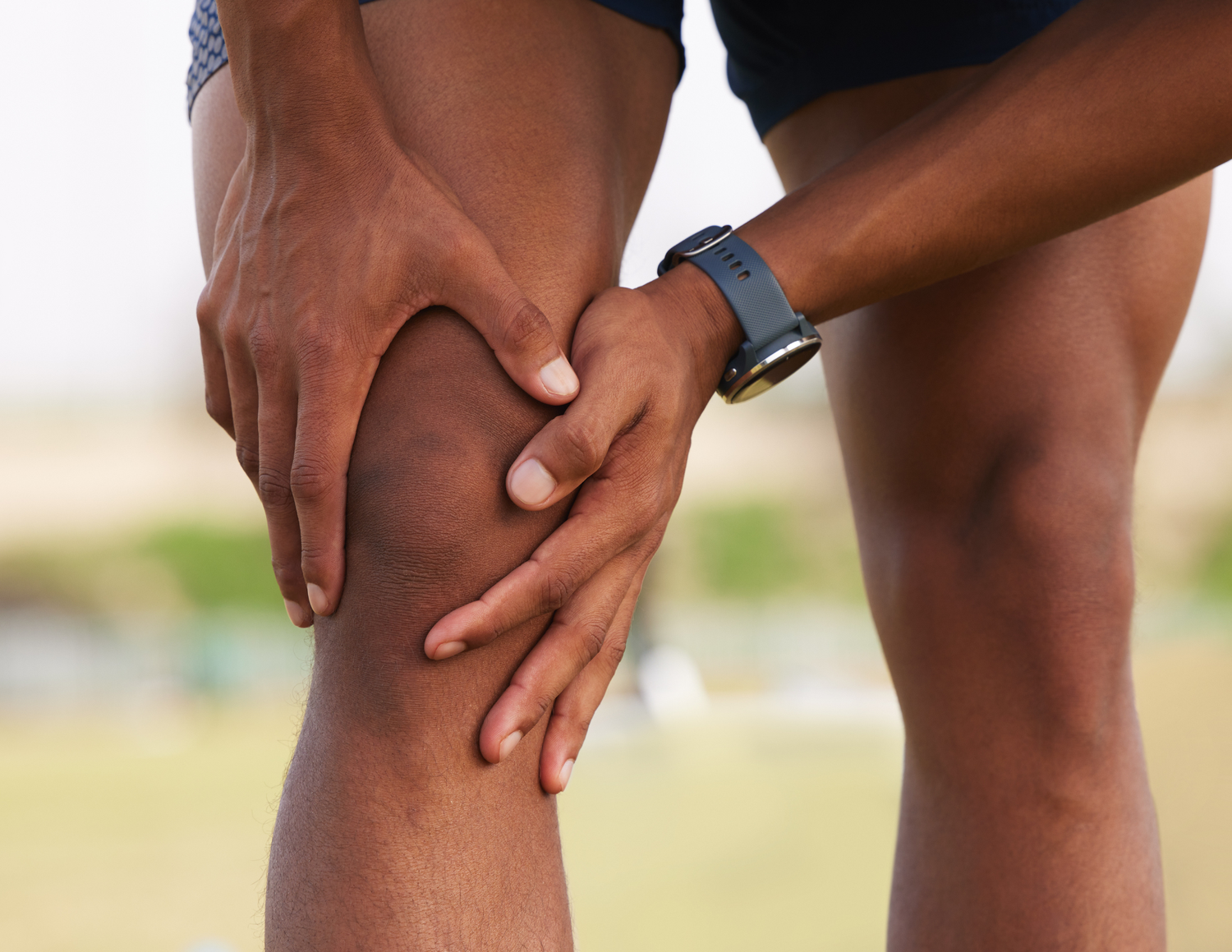
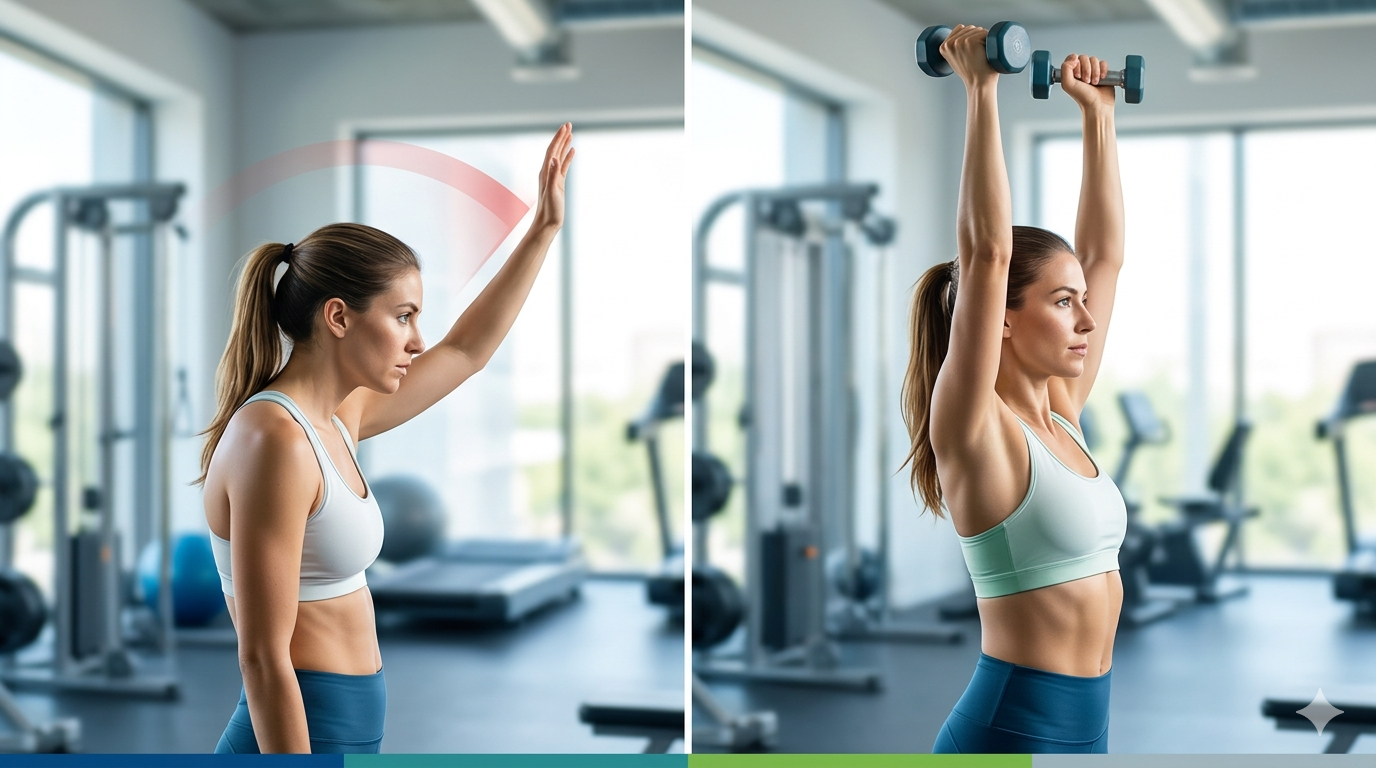
Maybe reaching overhead still feels tight. Maybe your shoulder doesn’t move the way it used to. Perhaps you notice weakness, fatigue, swelling, numbness, or sensitivity around your chest, breast, or arm.
Maybe you’re hesitant to return to exercise because you’re not sure what’s safe.
Or maybe you simply don’t feel like yourself anymore.
That doesn’t mean you’re doing recovery wrong.
For many people, recovery continues long after active breast cancer treatment ends. And physical therapy can play an important role in helping you regain movement, strength, confidence, and function along the way.
At VytalFlo Rehab Solutions, we believe rehabilitation isn’t just about treating a body part.
It’s about helping you get back to what you love.
Treatment May Be Over. Recovery Isn’t Always Finished.
Breast cancer treatment can be physically demanding.
Surgery may affect the chest, shoulder, and surrounding tissues. Radiation can contribute to changes in tissue mobility and sensitivity. Chemotherapy and prolonged periods of reduced activity can contribute to fatigue, weakness, and deconditioning.
And after months of appointments, procedures, and treatment, it’s understandable if movement hasn’t been your priority.
But eventually, you may start asking:
“When will I feel like myself again?”
There isn’t one universal answer.
Everyone’s recovery looks different, and your rehabilitation needs depend on your treatment history, current symptoms, medical status, goals, and activity level.
For some people, the goal may simply be to comfortably reach into a cabinet or put on a shirt.
For someone else, it might be returning to strength training, yoga, running, swimming, gardening, playing with their children, or getting back to a favorite hobby.
Recovery should be connected to what matters to you.
Common Physical Changes After Breast Cancer Treatment
Breast cancer rehabilitation isn’t about assuming every survivor will have the same problems.
Instead, it’s about recognizing changes that may occur and knowing that support is available when they do.
Some people experience:
- Reduced shoulder or arm range of motion
- Tightness through the chest, shoulder, or upper back
- Weakness or decreased upper-body strength
- Changes in posture or movement patterns
- Scar or tissue restrictions
- Pain, sensitivity, or altered sensation
- Fatigue and reduced exercise tolerance
- Difficulty returning to previous activity levels
- Swelling or heaviness in the arm, breast, chest, or surrounding areas
- Lymphedema or concerns about developing lymphedema
Not everyone will experience these issues, and experiencing one of them does not automatically mean something is seriously wrong.
But persistent or concerning changes deserve attention.
You don’t have to simply accept feeling limited because you’ve completed cancer treatment.
What Does Breast Cancer Rehabilitation Look Like?
One of the biggest misconceptions about physical therapy is that you need to be injured before you can benefit from it.
That’s not necessarily the case.
Breast cancer rehabilitation can focus on helping you safely restore movement, strength, function, and confidence.
Your physical therapist may evaluate things such as:
- Shoulder and upper-extremity mobility
- Strength and endurance
- Posture and movement
- Scar and soft-tissue mobility when appropriate
- Functional limitations
- Exercise tolerance
- Symptoms such as pain, tightness, heaviness, or swelling
- Your current activity level and goals
From there, your plan should be individualized.
Maybe you need mobility work.
Maybe you need progressive strengthening.
Maybe you need guidance on returning to exercise.
Maybe you need strategies for managing symptoms and gradually increasing activity.
Or maybe you need a combination of several approaches.
The goal isn’t to throw every treatment at you. The goal is to figure out what your body needs and why.
Lymphedema: Awareness Without Fear
Lymphedema is another important part of the breast cancer rehabilitation conversation.
Some people develop lymphedema after cancer treatment, while others may be at risk without ever developing it.
Lymphedema can involve swelling, heaviness, tightness, or changes in the affected area. Early evaluation can be helpful when symptoms appear.
But awareness shouldn’t become fear.
You shouldn’t feel like you’re afraid to move your arm, exercise, lift weights, or participate in the activities you enjoy simply because you’ve had breast cancer.
Instead, the conversation should be:
How can we help you move safely, confidently, and progressively?
Depending on your individual situation, rehabilitation may include education, movement, exercise, strategies for symptom management, and lymphedema-specific care when appropriate.
If you notice new or worsening swelling, heaviness, redness, pain, or other concerning symptoms, talk with your healthcare team.
When Should You Consider Physical Therapy?
You don’t necessarily need to wait until something becomes severe.
Consider talking with a physical therapist if you’re experiencing ongoing difficulty with:
- Raising or reaching with your arm
- Getting dressed
- Sleeping comfortably
- Returning to exercise
- Lifting or carrying
- Performing household activities
- Participating in hobbies
- Managing persistent tightness or discomfort
- Building back strength and endurance
- Feeling confident in your movement
Physical therapy can also be valuable if you’re not sure where to start.
Sometimes the biggest barrier isn’t pain.
It’s uncertainty.
“Is this normal?”
“Am I allowed to lift weights?”
“Should I push through this tightness?”
“How much exercise is too much?”
“What should I be doing now?”
Those are conversations worth having.
Your Body May Feel Different. That Doesn’t Mean You Can’t Get Strong Again.
This is one of the most important messages I want people to hear.
After breast cancer treatment, it can be easy to focus on what your body can no longer do.
But rehabilitation gives us an opportunity to focus on what your body can do now—and what we can build from there.
Maybe you aren’t ready for the workout you used to do.
That’s okay.
Start with what your body can tolerate today.
Build capacity.
Increase strength gradually.
Improve mobility where you need it.
Learn how your body responds.
Then progress.
You don’t have to go from treatment to “back to normal” overnight.
Recovery can be a process of rebuilding trust in your body one step at a time.
At VytalFlo, We Look Beyond the Diagnosis
At VytalFlo Rehab Solutions, I don’t want to simply look at a diagnosis and hand you a generic exercise program.
I want to understand you.
What have you been through?
What feels different?
What are you having trouble doing?
What are you afraid to try?
And perhaps most importantly:
What do you want to get back to?
Because maybe your goal isn’t simply to have better shoulder mobility.
Maybe you want to lift your grandchild.
Return to your favorite workout.
Travel without worrying about your arm.
Play tennis again.
Get back in the pool.
Wear your favorite clothes comfortably.
Or simply wake up and feel more at home in your body.
Those goals matter.
That’s why the VytalFlo approach is centered around:
Restore Your Flow → Elevate Your Strength → Reach New Possibilities.
We start by understanding where you are.
Then we build from there.
Not with a one-size-fits-all plan.
Not by rushing the process.
And not by defining you by your diagnosis.
You Are More Than What You’ve Been Through
Breast cancer can change your relationship with your body.
After treatment, you may feel grateful, frustrated, strong, vulnerable, hopeful, tired—or several of those things at the same time.
There is no single way you’re supposed to feel.
And there is no single timeline for getting back to the activities you love.
What matters is having the right support as you move forward.
Your recovery deserves attention, too.
If you’ve completed breast cancer treatment and you’re still experiencing limitations, discomfort, weakness, swelling, or uncertainty about movement, consider talking with a physical therapist who understands breast cancer rehabilitation and your individual goals.
You don’t have to wait until you’re completely “back to normal” to start rebuilding.
Ready to Move Forward?
At VytalFlo Rehab Solutions, the goal isn’t simply to help you move without discomfort.
It’s to help you feel comfortable, confident, and capable in your body again.
Whether you’re working through mobility limitations, rebuilding strength, navigating lymphedema concerns, or simply trying to figure out what’s next, we’re here to help you take that next step.
Back to what you love.
Move better. Recover smarter. Live fully.
If you’re ready to talk about your next step, schedule a consultation or reach out to VytalFlo Rehab Solutions today.
Your treatment may be over.
But your story—and your movement—are still yours to build.